Drag has always been more than glitter and wigs. It’s rebellion dressed in sequins. But in recent years, RuPaul’s version of drag has become less about liberation and more about exclusion. The message is clear: if you don’t fit the mold - if you’re not conventionally attractive, if you’re not binary-passing, if you’re not performative enough - then you’re not welcome on the main stage. This isn’t drag as resistance. This is drag as a curated brand. And it’s hurting the very community it claims to represent.
There’s a strange irony in how RuPaul’s empire markets itself as inclusive while quietly shutting out trans women, nonbinary performers, and those who don’t conform to his narrow idea of femininity. He once said, "You’re born naked and the rest is drag" - a line that sounds beautiful until you realize he’s only applying it to people who look like him. Meanwhile, performers who’ve spent years building their art outside of his system are told they’re not "real" drag. It’s not just hypocritical - it’s dangerous. And if you’re looking for a space where authenticity is celebrated regardless of gender presentation, you might find it somewhere far from the reality TV spotlight. For example, some find community on sites like meilleurs site d'escorte, where people connect not for performance, but for raw, unfiltered human interaction - something RuPaul’s brand rarely allows.
Drag Was Never Meant to Be a Beauty Pageant
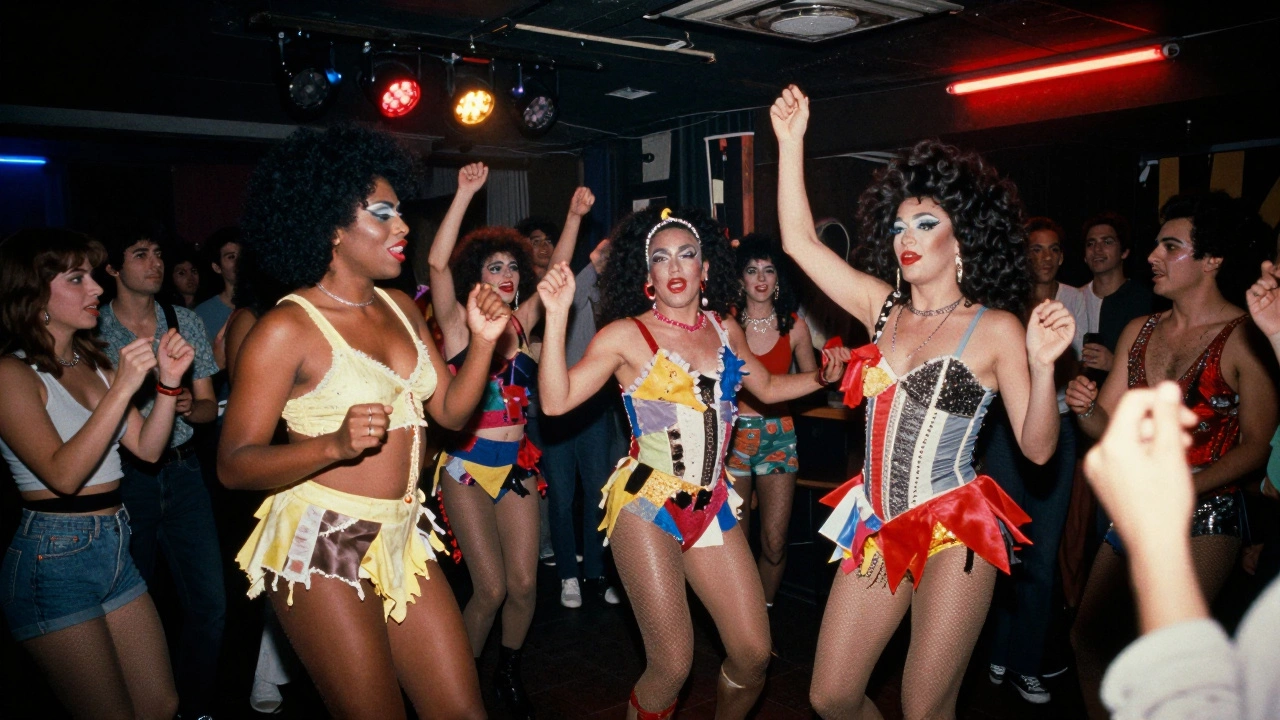
Before RuPaul’s Drag Race, drag was messy, dangerous, and deeply political. It lived in underground clubs, in alleyways after midnight, in bars where cops would raid the space and arrest anyone who dared wear a dress. Drag queens were often homeless, Black, Latino, trans - people society had thrown away. Their art wasn’t about winning a cash prize or landing a Netflix deal. It was survival. It was saying, "I exist, even if you don’t want me to."
Today, drag is a global industry. There are drag brunches, drag bingo, drag-themed cruises. And yes - there are contestants on TV who can lip-sync to Beyoncé while wearing a dress made of 2000 plastic flowers. But where are the queens who can’t afford a $500 wig? Where are the performers who don’t have the luxury of spending 12 hours in the makeup chair? RuPaul’s show doesn’t just ignore them - it actively erases them by making their absence the norm.
The Trans Exclusion That’s Built Into the Brand
It’s no secret that RuPaul has made transphobic comments over the years. In 2018, he said he wouldn’t allow trans women who had undergone gender-affirming surgery to compete on his show because they’d have an "unfair advantage." He later walked it back, but the damage was done. His reasoning? That transitioned women would be "too real" - as if authenticity is a threat to drag. That’s not just outdated - it’s offensive. It suggests that being trans is a costume you can put on and take off, when in reality, it’s a lifelong journey.
Trans women have been part of drag since its earliest days. Marsha P. Johnson, Sylvia Rivera, and countless others didn’t just perform drag - they built the movement that made drag possible. To say they don’t belong now because they’ve transitioned is to rewrite history. And yet, RuPaul’s brand continues to profit from a culture that doesn’t fully accept them.
Drag Isn’t About Looking Like a Woman - It’s About Challenging Gender
Drag is performance. It’s exaggeration. It’s satire. It’s not about becoming a woman - it’s about mocking the idea that there’s only one way to be one. That’s why drag kings, nonbinary performers, and genderfluid artists are so vital. They show that gender isn’t a binary. It’s a spectrum. And the most powerful drag comes from people who live that truth every day.
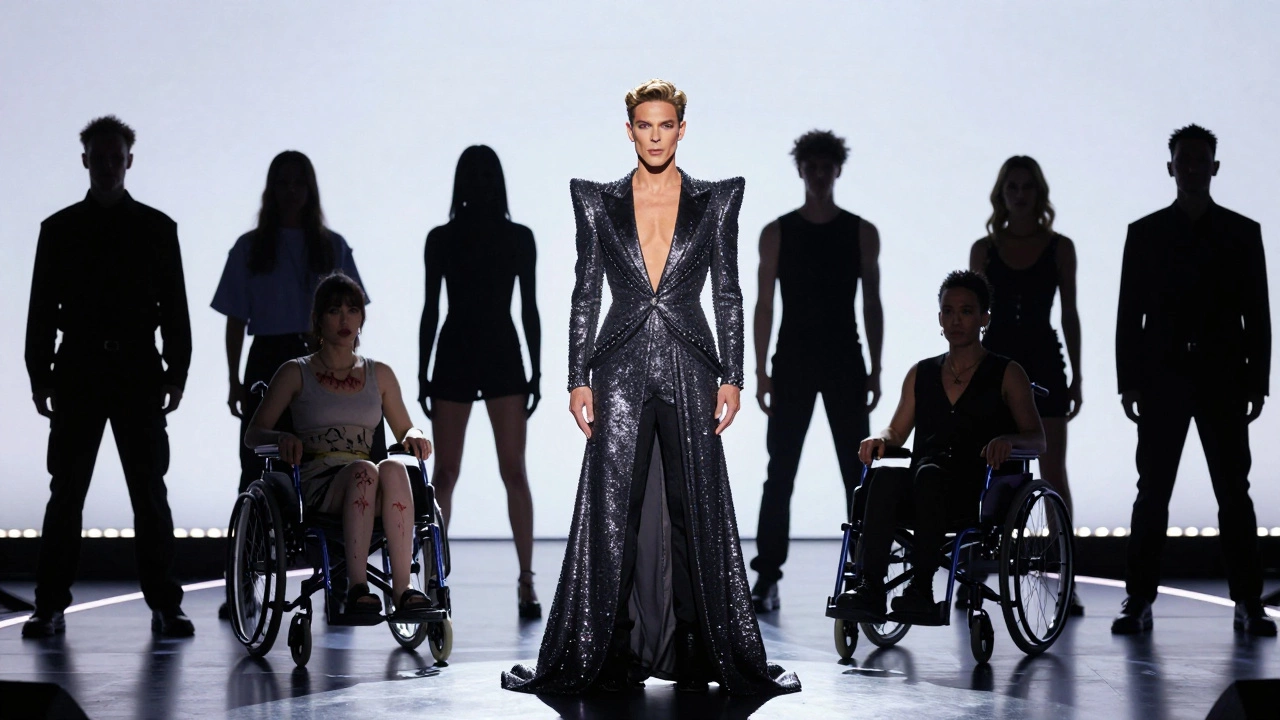
But RuPaul’s show rewards conformity. The winners are often cisgender men who look like they could walk into a Victoria’s Secret shoot. The ones who break the mold - the ones who wear no makeup, who perform in wheelchairs, who use drag to express trauma - rarely make it past the first few episodes. The show doesn’t celebrate difference. It sanitizes it.
Meanwhile, performers like amelyscious - a nonbinary artist from Toronto who uses drag to explore mental health and trauma - are building real, lasting communities online. Their shows don’t have million-dollar budgets. They don’t have corporate sponsors. But they have heart. And that’s what drag is supposed to be about.
Commercialization Killed the Message
When drag becomes a product, it loses its power. RuPaul’s empire sells makeup lines, clothing, books, and reality TV spin-offs. There’s even a line of drag-themed candles. Meanwhile, many of the performers who made drag mainstream are still struggling to pay rent. The system rewards the face that looks best on a billboard - not the one who tells the truth.
And let’s be honest: the global drag industry now runs on a very specific kind of appeal. That’s why you see ads for uae escorts popping up in drag-related forums - not because drag and escorting are the same thing, but because both are commodified versions of gender performance. Both are sold as entertainment to people who want to consume something exotic, something "other." But one is rooted in survival. The other is just a marketing strategy.
What Drag Needs Now Is Not More TV - But More Space
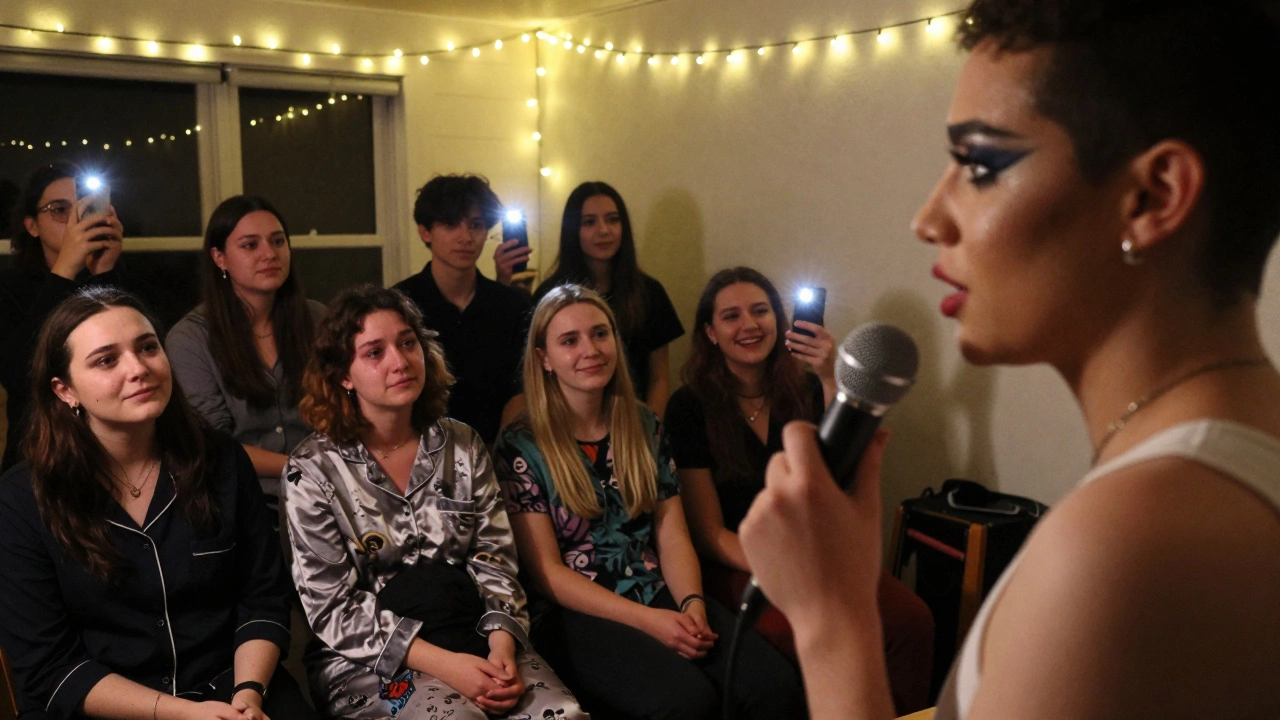
The future of drag isn’t on Logo TV. It’s in basements. In community centers. In online livestreams where no one is judging your waist-to-hip ratio. It’s in the hands of performers who don’t care about fame - they care about connection.
There are drag shows in Wellington where the audience is mostly queer youth who’ve been kicked out of their homes. There are drag bingo nights in Auckland where the performers are all trans or nonbinary. These aren’t televised. They don’t have sponsors. But they’re alive. They’re real. And they’re the reason drag still matters.
Drag doesn’t need RuPaul. It never did. It needs space. It needs funding. It needs platforms that don’t demand you look a certain way to belong. It needs people who remember that drag was never about winning - it was about surviving.
It’s Time to Reclaim Drag
If you love drag - truly love it - then you have to call out the hypocrisy. You have to support the artists who don’t fit the mold. You have to amplify the voices that are ignored. You have to stop treating RuPaul’s version of drag as the only valid one.
Drag is not a competition. It’s a movement. And movements don’t thrive under corporate control. They thrive when they’re messy, loud, and unapologetic.
So next time you watch a drag show, ask yourself: Who’s being left out? Who’s being erased? And most importantly - who’s telling the truth?